
“Grief is like the ocean; it comes in waves, ebbing and flowing. Sometimes the water is calm, and sometimes it is overwhelming. All we can do is learn to swim.”
— Vicki Harrison
When someone we love dies, the world can suddenly feel unfamiliar.
Grief is a deeply personal response to death. It can affect how we think, feel and function, sometimes in ways we don’t expect. While grief can feel overwhelming, understanding what you are experiencing can make it a little easier to navigate.
Learning how to cope with grief isn’t about forgetting the person who died or trying to return to life exactly as it was before. It is about gradually finding ways to live with their absence while carrying the memories and love that remain.
This guide explores what grief can feel like, practical ways of coping with loss, supporting children after a death, navigating holidays and special occasions, and finding support when you need it.
In This Guide
Whether you are experiencing grief yourself or supporting someone after a death, click the quick links below to navigate to the chapters of this guide.

Understanding Grief
Grief is more than sadness. It can influence your emotions, thoughts, physical wellbeing, relationships and everyday routines.
Some people experience grief immediately and intensely. For others, the reality of the death may take time to sink in. There may also be periods where you feel relatively settled before a memory or significant date brings the loss back into focus.
What Is Grief?
After a death, you may experience:
- sadness or loneliness
- anger or frustration
- guilt or regret
- anxiety about the future
- numbness or disbelief
- difficulty concentrating
- changes in sleep or appetite
- tiredness or low energy
- a strong desire to see or speak to the person who died
Not everyone experiences all of these feelings, and they may not happen in any particular order.
Grief can also bring unexpected emotions. Someone who has spent a long time caring for a loved one, for example, may experience relief alongside sadness after their death. This does not diminish the love they had for that person.
There is no predictable timetable for grief.
You may feel capable of returning to work and social activities, only to find yourself struggling again several days later. A song, photograph, familiar place or ordinary routine can unexpectedly bring memories to the surface. This is particularly common around significant dates. Rather than measuring your progress by how little you think about the person, it can be more helpful to notice how your relationship with the loss changes over time.
Different Circumstances of Death
The circumstances of a death can influence the experience of bereavement. A death following a long illness may involve sadness alongside exhaustion or relief. A sudden death may leave a person struggling to understand what has happened. Losing a partner, parent, child, sibling or close friend can also bring very different challenges.
There can be additional difficulties when a death is unexpected, traumatic or occurs at a young age. The relationship you shared, the circumstances surrounding the death and your own life experiences all shape the way you respond.
What Happens After Someone Dies?
The days following a death can involve many practical responsibilities. Family and friends may need to be contacted, funeral arrangements made, personal belongings managed and important administrative matters addressed. Trying to make decisions while processing a death can feel overwhelming.
Our What to Do When Someone Dies guide provides practical information about some of the steps that may need to be taken.
How To Cope With Grief
There is no single method for coping with grief. What matters is finding practical ways to look after yourself while you adjust to the changes that follow a death.
Give Yourself Permission to Grieve
You don’t need to hide difficult emotions or feel pressured to appear strong. Some days may involve tears and conversation. Other days you may prefer quiet or distraction. Give yourself space to respond to what you are experiencing rather than judging how you think you should feel.
Take One Day at a Time
After a death, thinking too far ahead can feel impossible. Instead of trying to work out how you will manage every future milestone, focus on what is immediately in front of you. Getting through the day, preparing a meal or simply getting out of bed can sometimes be enough.
Look After Your Basic Needs
Grief can be physically draining, so basic routines matter. Try to eat regularly, drink enough water, get adequate rest and spend some time outside when you can. You don’t need to overhaul your life. Small routines can provide structure when everything else feels uncertain.
Stay Connected
It can be tempting to withdraw when you are grieving, particularly when conversations feel difficult. Stay connected to people you trust, even if you don’t feel ready to discuss your loss. A phone call, shared meal or short walk can provide companionship without requiring you to explain everything.
Talk About the Person Who Died

People sometimes avoid mentioning someone’s name because they are worried it will cause further pain. For many grieving people, being able to talk openly about the person they lost is comforting. Share memories, look through photographs or talk about the things that made them who they were.
For further guidance, Five Resources to Help You When Coping With Grief offers practical ideas for navigating difficult periods.
Grief During Holidays and Special Occasions

Holidays and significant dates can make someone’s absence particularly noticeable. Family traditions may feel different, familiar celebrations may bring back memories and social occasions can highlight the fact that someone is no longer there. Planning ahead can sometimes make these periods easier.
Christmas Without Someone You Love
Christmas often brings together traditions, family and memories, which can make the first Christmas after a death particularly difficult. You might continue familiar traditions, adapt them or create something new. Some families choose to include the person who died by preparing their favourite meal, playing music they loved or sharing stories. Others prefer a quieter celebration.
Mother’s Day Without Mum
Mother’s Day can be especially difficult after the death of a mother, grandmother or another important maternal figure. The day can be filled with reminders through advertising, social media and family celebrations. You could mark the occasion by visiting a meaningful place, looking through photographs, preparing a favourite meal or spending time with someone who understands.
Our guide to navigating Mother’s Day grief offers further ideas.
Father’s Day Without Dad
Father’s Day can bring similar feelings after losing a father, grandfather or another important father figure. Some people find comfort in doing something their father enjoyed or sharing stories with family members. Others prefer to treat it as an ordinary day. Choose what feels manageable rather than feeling pressured to celebrate.
Birthdays and Anniversaries
Birthdays, anniversaries and other meaningful dates can bring memories back with surprising intensity. You might choose to acknowledge the date with a small ritual, gather with family or simply give yourself permission to have a quieter day.
It can help to anticipate these dates rather than being caught off guard by them.
It’s Okay to Change Your Traditions
Traditions can carry a lot of meaning, but they don’t have to remain exactly the same after a death. A new tradition might eventually become an important way of remembering someone while allowing your family to adapt to change.
How to Help a Child Understand Death
Children need honest, age-appropriate information when someone dies. Their understanding of death develops as they grow, so the way you explain a death to a young child will be different from the way you speak with a teenager.
Use Clear and Simple Language
Use words such as “died” and “death” rather than phrases such as “went to sleep” or “went away”. Young children can interpret these expressions literally and may become confused or frightened.
Explain what has happened in simple terms and give them opportunities to ask questions.
Our guide on how to talk about death provides further guidance for these conversations.
Let Children Ask Questions
Children may ask the same question repeatedly as they try to understand what has happened.
They might ask:
“Are they coming back?”
“Where are they now?”
“Will I die too?”
“Did I make them die?”
Answer honestly and keep explanations appropriate to their age. If you don’t know the answer, it is okay to say so. Children may also need reassurance about their own safety and who will continue caring for them.
Children May Grieve Differently
A child may cry, become withdrawn or angry, have trouble sleeping or show changes in behaviour. They may also continue playing and behaving normally. Children often move in and out of grief more quickly than adults. Playing, drawing and returning to familiar routines can give them ways to process what has happened.
A Gentle Resource for Children
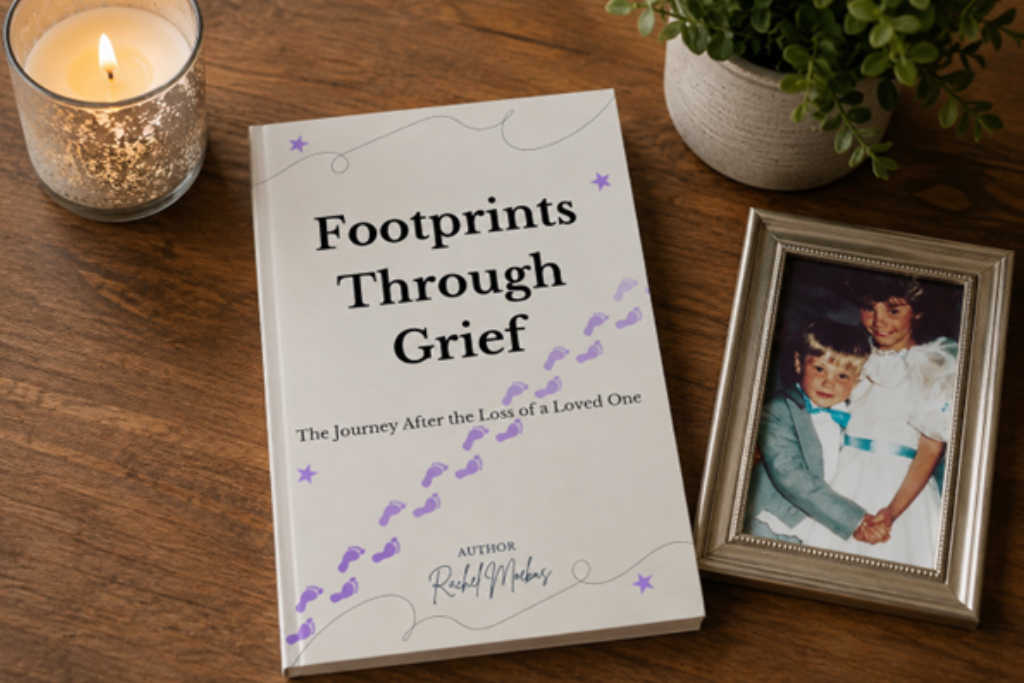
Sometimes children need more than words to understand what they are feeling. Footprints Through Grief by Rachel Moebus is a guided workbook designed to help children explore grief through simple language, creative prompts, memories and activities.
Rachel drew on her own experience of childhood grief when creating the book, giving children a gentle way to understand their emotions, express what they are feeling and stay connected to the person they have lost.
For parents, carers and other adults supporting a grieving child, resources like Footprints Through Grief can provide a helpful starting point for conversations that may otherwise feel difficult to begin.

“Grief is like a fingerprint—no two are the same.”
— Rachel Moebus
What to Say to Someone Who Is Grieving
When someone you care about has experienced a death, it can be difficult to know what to say.
You don’t need to find the perfect words. Acknowledging what has happened and letting the person know you are there can be enough.
Words That Can Help
Simple statements are often more meaningful than trying to explain or fix someone’s grief.
You could say:
“I’m so sorry.”
“I’m thinking of you.”
“I don’t know what to say, but I’m here for you.”
“I remember how much they meant to you.”
“Would you like to tell me about them?”
“I’m here whenever you want to talk.”
Offer Practical Help
Grief can make ordinary responsibilities difficult. Rather than saying, “Let me know if you need anything,” offer something specific.
You might:
- prepare a meal
- do some grocery shopping
- help with school or childcare
- accompany them to an appointment
- sit with them for a while
- help with everyday errands
Practical support can be especially valuable when someone’s emotional energy is limited.
What Not to Say
Try not to minimise someone’s experience or put pressure on them to feel differently.
Comments such as:
- “Everything happens for a reason.”
- “They’re in a better place.”
- “You need to be strong.”
- “At least they lived a long life.”
- “I know exactly how you feel.”
may be intended as comfort but can leave someone feeling misunderstood. Listening without trying to provide an explanation is often more helpful.
Supporting Someone After the Funeral
The funeral may mark the end of the immediate practical arrangements, but it does not mark the end of someone’s grief. In the weeks and months afterwards, continue checking in. Remember important dates, invite them for a coffee or simply send a message. Consistent support can be particularly meaningful once the initial attention from friends and family begins to fade.
For more guidance, read What to Say to Someone Grieving During the Holidays.
Remembering a Life
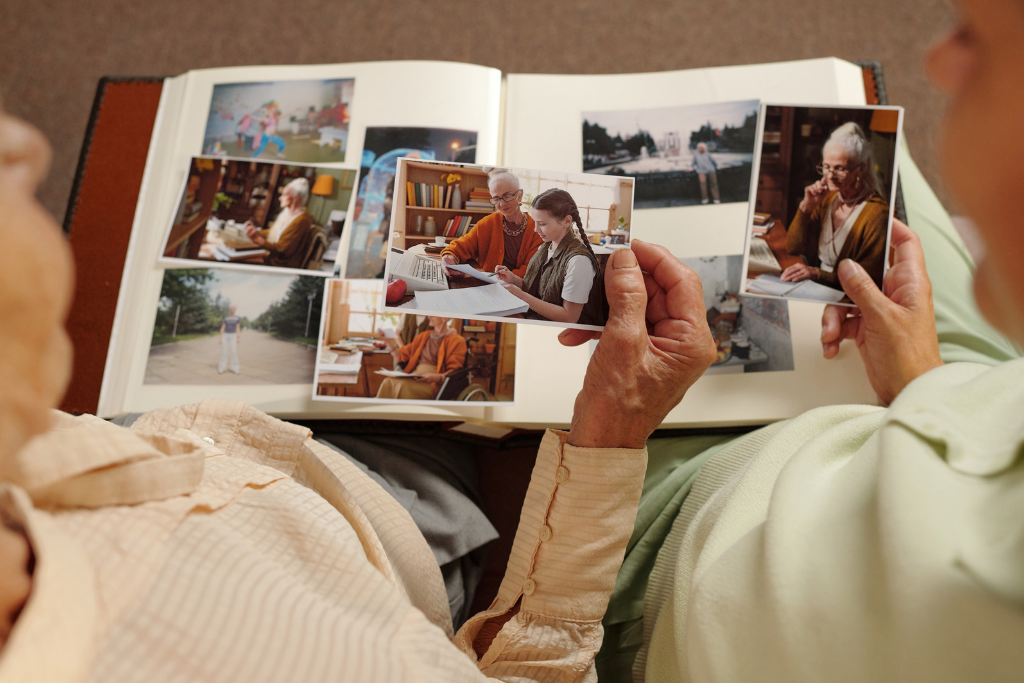
Ways to Remember Someone
There are many ways to create a lasting tribute.
You might:
- create a memory box
- display photographs
- plant a tree or garden
- visit somewhere meaningful
- cook their favourite meal
- listen to music they loved
- write down family stories
- mark their birthday
- support a cause they cared about
- create a memorial or keepsake
For more inspiration, explore 10 Memorial Ideas.
Creating a Life Story
A collection of photographs, music, stories and memories can capture the personality and experiences that made someone unique. A Life Story Presentation brings these elements together as a visual tribute that can be shared as part of a funeral or memorial service. These stories can help families focus not only on the fact of the death, but on the life that came before it.
Finding Grief Support & Helplines
Sometimes support from family and friends is enough. At other times, professional guidance can provide an important additional source of care. A counsellor, psychologist, grief support service or support group can offer a place to talk openly about difficult emotions.
When to Seek Additional Support
Consider reaching out for additional support if your grief is making it increasingly difficult to manage everyday life, maintain relationships, work, sleep or care for yourself. You don’t need to reach a crisis point before asking for help.
A professional can help you understand what you are experiencing and identify strategies that may make the coming months more manageable.
Grief Support Helplines & Support Services
- Griefline: Call 1300 845 745 (available 8:00 am to 8:00 pm, 7 days a week) for free telephone support, booked calls, and online forums via Griefline.
- Lifeline: Call 13 11 14 for 24/7 crisis support and emotional assistance.
- Beyond Blue: Call 1300 224 636 for 24/7 mental health and bereavement support.
- NALAG Grief Support: Call 13 000 474 33 (13 000 GRIEF) or visit NALAG National Association for Loss and Grief for loss, grief, and trauma support.
- Grief Australia: Visit Grief Australia for online resources, education, and counselling guidance.
Explore More Grief & Healing Resources
For further information about bereavement, grief and supporting someone after a death, explore the H.Parsons Grief & Healing resources.
You may also find these resources helpful:
Learning to Live With Grief
After a death, it can be difficult to imagine a future that doesn’t include the person who died. Over time, however, many people find ways to make room for their loss while continuing with their lives.
You Don’t Have to Forget to Move Forward
Moving forward does not mean leaving someone behind. You can continue to love and remember someone while developing new routines, relationships and experiences. Enjoying yourself again isn’t a betrayal of the person who died.
Hope Doesn’t Mean Forgetting
There may come a point when you begin to look forward to things again. This can feel unfamiliar after a period of intense grief, but moments of happiness and memories of someone who has died can exist together. A meaningful life after loss does not replace the life you shared with the person who died.
There Is No Deadline for Grief
There may always be moments when you miss someone.
The difference is that, with time, those moments may become easier to carry.
A photograph that once felt impossible to look at may eventually bring a smile. A favourite song may eventually become comforting rather than painful.
The relationship remains, even though its form has changed.
Remember Their Life, Not Just Their Death
In the immediate aftermath of a death, the circumstances surrounding it can dominate your thoughts.
As time passes, try to make space for the rest of the person’s story.
Their laugh.
Their favourite places.
The things they taught you.
The traditions they created.
The ordinary moments that made up your life together.
A person’s story is much larger than the circumstances of their death.
A Final Message of Hope
Grief can change the way you see the world, but it does not mean that happiness, connection or purpose are no longer possible. There may be difficult days ahead, particularly around important dates and unexpected reminders. There may also be moments of laughter, new experiences and genuine happiness. You can make room for all of them.
The person who died remains part of your story through the memories you carry, the values they passed on and the influence they had on your life. You don’t have to leave your memories behind to move forward. You can carry them with you.
When You’re Ready, We’re Here to Help

When someone dies, there can be many decisions to make at a time when emotions are already overwhelming. Whether you are looking for practical information, considering funeral arrangements or simply trying to understand what happens next, having clear guidance can make the process easier to navigate.
Learn more about arranging a funeral with H.Parsons, explore our funeral services or find your nearest H.Parsons location.